why-swindon-is-becoming-a-creative-and-tech-growth-hub
Why Swindon Is Becoming a Creative and Tech Growth Hub
For decades, Swindon was best known for its railway heritage and industrial roots. Today, it is quietly reshaping its identity. A new generation of creative businesses, digital startups and technology-led organisations are choosing Swindon as a base to build, scale and innovate.
This shift is not accidental. It is the result of connectivity, affordability, talent migration and regeneration-led workspace development. Together, these forces are transforming Swindon into one of the South West’s most promising creative and tech growth hubs.
A Strategic Location That Businesses Can’t Ignore
Swindon’s geographic position is one of its strongest competitive advantages. Located on the main rail line between London and Bristol, with fast motorway access to the M4 corridor, the town offers connectivity that rivals much larger cities without the associated cost pressures.
This makes Swindon highly attractive to hybrid teams, remote-first companies and regional headquarters looking for access to multiple markets. Businesses can reach London in under an hour, Bristol in under 40 minutes, and Oxford quickly by road or rail.
For growing companies, this balance between access and affordability is increasingly important.
From Industrial Powerhouse to Innovation Economy
Swindon’s transformation builds on its historic role as a centre of engineering and manufacturing excellence. The legacy of the Great Western Railway and the town’s historic railway works created a culture of technical skill, production and problem-solving that still influences the local workforce today.
What has changed is the nature of industry itself. Where heavy manufacturing once dominated, today’s economy is shaped by:
• Digital services
• Software development
• Creative productionMarketing and media
• Education technology
• Clean tech and sustainability ventures
This evolution has created demand for flexible, collaborative workspaces rather than traditional industrial estates or isolated office blocks.
Why Creative Businesses Are Choosing Swindon
Creative professionals increasingly look beyond major cities when choosing where to work. Rising rents, commuting fatigue and work-life balance concerns are driving migration to well-connected regional hubs.
Swindon offers several advantages:
Lower operational costs compared to London and Bristol
Access to skilled graduates and professionals relocating from major cities
Town-centre regeneration projects supporting creative infrastructure
Strong transport links for client-facing businesses
Design studios, marketing agencies, content creators and digital freelancers are finding that Swindon offers the space and community they need without sacrificing opportunity.
Tech Growth and Startup Culture
Technology companies are also finding momentum in Swindon. Startups benefit from lower overheads, access to talent and proximity to major commercial centres.
The rise of remote working has further accelerated this trend. Teams no longer need to cluster exclusively in London. Instead, they can operate from regional hubs that provide modern infrastructure and collaborative environments.
Flexible workspace environments now act as innovation catalysts, allowing early-stage businesses to test ideas, scale teams and build partnerships without committing to rigid long-term leases.
Regeneration and the Role of Heritage Buildings
One of the most powerful signals of Swindon’s transformation is the reuse of historic railway buildings and industrial spaces. Instead of demolition, regeneration projects are preserving heritage while adapting structures for modern business use.
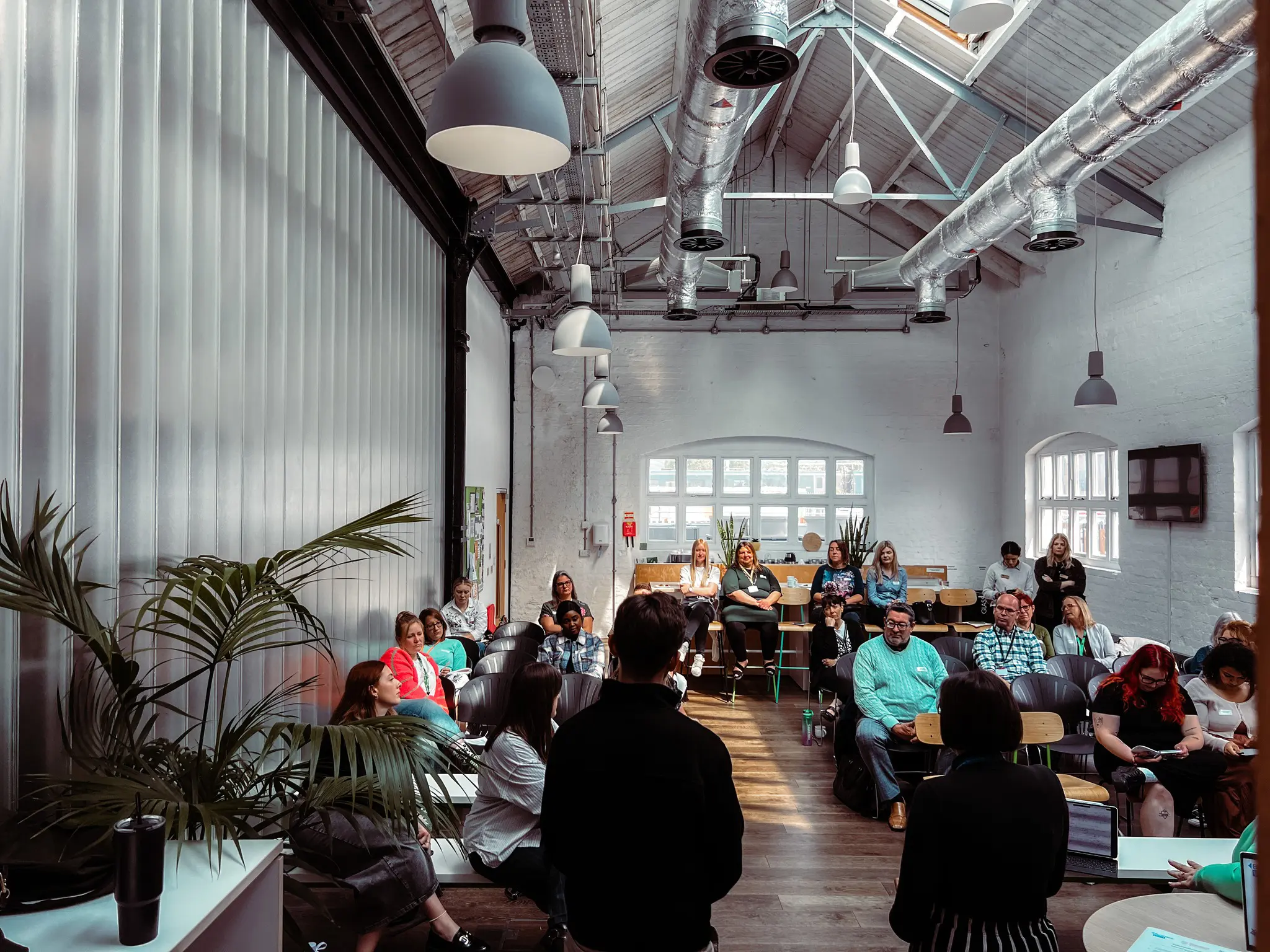
At the heart of this movement is Carriage Works, a restored Grade II listed railway complex that has become a focal point for creative and business activity in the town centre.
By repurposing heritage architecture into flexible workspace, studios and event space, Carriage Works demonstrates how regeneration can drive economic growth while maintaining Swindon’s cultural identity.
Workshed: Coworking at the Centre of the Ecosystem
Within the Carriage Works campus sits Workshed, the coworking and community workspace that brings together freelancers, startups, remote workers and creative teams.
Workshed acts as the everyday engine of collaboration. It provides flexible desk memberships, meeting rooms, breakout areas and shared social spaces that encourage interaction between businesses operating across technology, design, education and professional services.
By placing coworking at the centre of a wider creative campus, Workshed and Carriage Works together support a layered ecosystem:
• Coworking for early-stage businesses and individuals
• Private offices and studios for scaling teams
• Event spaces for networking and knowledge sharing
• Community programming that strengthens local collaboration
This structure reflects how modern innovation hubs operate globally.
Talent Attraction and Retention
One of the biggest challenges for regional economies is attracting and retaining skilled professionals. Swindon’s emerging creative and tech ecosystem helps address this by offering appealing workplaces, flexible career opportunities and a high quality of life.
Young professionals increasingly value:
• Walkable town-centre work locations
• Collaborative environments
• Access to creative communities
• Reduced commuting stress
• Balanced lifestyles
By investing in modern workspace infrastructure and cultural regeneration, Swindon becomes more competitive in retaining talent that might otherwise relocate to larger cities.
Education, Skills and Knowledge Transfer
Swindon’s growth as a creative and tech hub is also supported by educational partnerships and skills development initiatives. Collaboration between workspace providers, training organisations and industry groups helps ensure local talent pipelines remain strong.
Flexible workspace environments play an important role here by hosting workshops, mentoring programmes and industry events that facilitate knowledge transfer between established businesses and emerging entrepreneurs.
This knowledge-sharing culture strengthens the local business ecosystem and improves long-term economic resilience.
The Role of Town Centre Revitalisation
Town centre regeneration is critical to Swindon’s future growth. Bringing businesses back into central locations increases footfall, supports local retail and hospitality and creates vibrant mixed-use environments.
Creative and tech businesses play an important role in this process. They attract younger demographics, stimulate cultural activity and help reframe the town’s identity from post-industrial centre to innovation hub.
Workspace developments close to transport hubs, including those near Swindon Station, help anchor this regeneration by providing daily activity and economic contribution.
What the Next Five Years Look Like
Swindon’s creative and tech ecosystem is still evolving. Over the next five years, growth is likely to be driven by:
• Further regeneration of heritage buildings
• Increased hybrid working adoption
• Expansion of flexible workspace models
• Growth in digital and sustainability-focused startups
• Stronger regional collaboration across the M4 corridor
The businesses that succeed will be those that embrace flexibility, collaboration and place-based identity.
Why Place Still Matters in a Digital Economy
Despite the rise of remote working and digital platforms, physical place still matters. People want environments that inspire creativity, enable collaboration and provide a sense of belonging.
Swindon’s emerging workspace ecosystem demonstrates how regional towns can compete by combining heritage, connectivity and modern infrastructure. Rather than replicating city-centre office models, Swindon is developing its own distinctive approach to creative and tech growth.
Final Thoughts
Swindon is no longer simply a commuter town or former industrial centre. It is becoming a destination for creative professionals, digital entrepreneurs and forward-thinking businesses.
Through regeneration projects like Carriage Works and community hubs such as Workshed, the town is building an ecosystem that supports innovation, collaboration and sustainable growth.
For businesses looking to scale outside traditional metropolitan centres, Swindon is increasingly proving itself as a place where ideas, talent and opportunity converge.
Looking for flexible coworking or office space in Swindon? Talk to our team and arrange a visit.
Contact
Be part of what’s next.
Ready to join the Carriage Works community?
call: 07989 390005
Email: hello@carriageworks.co.uk
Thank you! Your submission has been received!